How Intumescent Fireproofing Systems Differ From Traditional Cementitious Coatings
Commercial fireproofing is a critical component of passive fire protection, which is especially crucial in commercial, industrial and institutional buildings with high occupancy. Both intumescent and cementitious fireproofing are commonly used to help protect the structure of your building in the event of a fire. However, while both serve the same purpose, these two materials differ greatly in regard to their appearance, application, performance and best uses. If you are looking to improve the overall safety of your commercial property, reach out to a reputable fireproofing company like EcoStar Insulation that offers both intumescent and cementitious solutions.
Here is a breakdown of the differences between these two fireproofing materials.
What Is Intumescent Fireproofing?
 Intumescent fireproofing coatings are very thin when compared to cementitious coatings. They are applied similarly to paint and are often undetectable when visible. Since intumescent fireproofing looks like paint, it tends to be the preferred choice for exposed structures or areas where appearances are important, as it can contribute to the overall aesthetics of your property.
While intumescent fireproofing only requires a thin coating, it does swell up and expand when exposed to heat. This added volume is what helps protect your structural steel from fire damage.
What Are Cementitious Fireproofing Coatings?
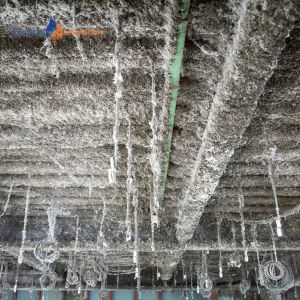
Cementitious fireproofing materials are spray-applied coatings that are made from mill-mixed, single-component plaster. This material creates a thick insulating layer that helps slow down heat transfer during a fire. Cementitious fireproofing is not known for its appearance or aesthetics since it appears to be thick, grey and bumpy in texture.
Cementitious fireproofing is extremely effective and tends to be the preferred choice for vital, concealed steel structures. The convenience of its spray application makes it a popular choice for large-scale projects where aesthetics is not a primary concern, such as in warehouses or large storage facilities.
Key Differences Between Intumescent and Cementitious Fireproofing
- Appearance: Cementitious fireproofing isn’t very aesthetically pleasing, whereas intumescent coating can positively contribute to the overall appearance of your property, making it great for structural components that are exposed to occupants of your building.
- Performance: When it comes to fire ratings, cementitious fireproofing can resist fire for much longer and can last for up to 4 hours, whereas intumescent coatings last for up to 2 hours.
- Durability: Since cementitious fireproofing is a thick, porous material, it is not as physically durable and is more prone to flaking. Since intumescent coatings are applied in thin layers, they aren’t prone to physical wear and tear.
Choose the Right Commercial Fireproofing with EcoStar Insulation
Both intumescent and cementitious fireproofing systems play an important role in protecting commercial structures from the devastating effects of fire. While intumescent coatings are often preferred for exposed structural steel and architecturally sensitive spaces, cementitious fireproofing remains a practical and cost-effective solution for many large-scale commercial and industrial applications. The right choice depends on factors such as building design, budget, environmental conditions, and fire-resistance requirements. If you want to make an informed decision for your property, reach out to a fireproofing company like EcoStar Insulation for tailored solutions. Contact us today for a free quote!